Why the Same Oil That Works Wonders at the Spa Falls Flat at Home
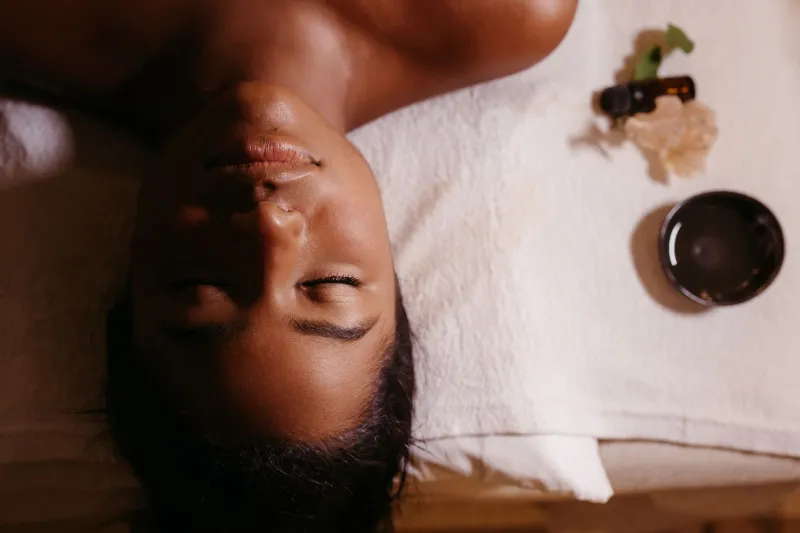
You finally treat yourself to a professional aromatherapy session. The tension in your shoulders melts. Your mind goes quiet for the first time in weeks. You leave floating. So naturally, you head straight to the nearest wellness store, grab a bottle of what seemed like the same essential oil, and try to recreate the magic in your bathroom.
And then... nothing. Or at least, not that.
This is one of the most common frustrations people bring up when they start exploring aromatherapy seriously. The experience at the spa felt transformative. The home version feels like you're just making your bedroom smell nice. So what gives? Is it the products? The setting? Or is professional aromatherapy somehow gatekeeping results that you can't access on your own?
The honest answer is more nuanced than most people expect — and understanding it will actually make your DIY practice a lot more effective.
The Environment Is Doing More Work Than You Think
Here's something that often gets overlooked: when you're lying on a treatment table in a dim, quiet room with soft music playing and no notifications dinging, your nervous system is already halfway to relaxed before the first drop of oil even touches your skin.
That context isn't just a nice backdrop — it's actively part of the therapy. Your body's ability to absorb, respond to, and benefit from aromatic compounds is significantly influenced by your baseline stress state. When you're relaxed, circulation improves, skin permeability increases slightly, and your brain is more receptive to sensory input.
At home, you're probably trying to do aromatherapy while also half-listening to a podcast, mentally running through tomorrow's to-do list, or sitting in the same chair where you answer emails all day. The oil might be identical. Your nervous system is not in the same place.
This doesn't mean DIY aromatherapy is pointless — it means environment is a variable you need to actively manage, not assume.
Application Method Changes Everything
Professional aromatherapy treatments aren't just about scent. A trained practitioner typically combines inhalation with topical application during massage, using specific dilutions, carrier oils, and techniques that maximize how the compounds interact with your body.
When you inhale an essential oil at home from a diffuser across the room, you're getting a fraction of the exposure — and none of the physical manipulation that helps move lymphatic fluid, ease muscle tension, and stimulate circulation. The aromatherapy massage you got at the spa was doing several things simultaneously. Your diffuser is doing one.
That's not a failure of the oil. It's a mismatch in method.
If you want to close this gap at home, consider upgrading your application approach. A diluted blend massaged into your temples, the back of your neck, or your feet before bed will deliver a fundamentally different experience than passive diffusion. Steam inhalation — just a bowl of hot water, a few drops of oil, and a towel over your head — is a surprisingly effective technique that many people skip entirely.
Product Quality Is Real, But It's Not the Whole Story
Yes, the essential oils used in professional spa settings are often higher quality than what you'd find at a big-box store. Reputable spas source therapeutic-grade oils, verify purity through third-party testing, and use products that haven't been sitting in a warehouse under fluorescent lights for two years.
But here's the thing: buying expensive oil alone won't replicate a spa treatment. Quality matters, but it's one piece of a larger puzzle. A well-sourced lavender oil used incorrectly in the wrong environment will still underperform compared to a decent-quality oil applied thoughtfully in the right conditions.
When you're shopping for oils to use at home, look for brands that publish their GC/MS (gas chromatography/mass spectrometry) test results, clearly list the botanical name and country of origin, and don't make outrageous health claims. You don't need to spend a fortune — you just need to buy from someone who's being honest about what's in the bottle.
The Practitioner Variable: What Expertise Actually Adds
A skilled aromatherapist isn't just someone who knows which oils smell good together. They're trained to assess your individual needs, adapt blends based on your health history, and apply treatments in ways that are both safe and strategically effective.
That personalization is genuinely hard to replicate on your own, especially if you're new to aromatherapy. A practitioner might notice that your breathing pattern suggests anxiety rather than fatigue and shift the blend accordingly. They'll know that certain oils shouldn't be used if you're on specific medications or have particular health conditions. They're reading your body in real time.
For complex issues — chronic stress, sleep disorders, pain management, emotional processing — that expertise can make a meaningful difference. This is when professional treatment is genuinely worth the investment, not just a luxury.
How to Actually Improve Your Home Practice
None of this means you're stuck with mediocre results at home. It means you need to be more intentional. Here's what actually moves the needle:
Create a real ritual space. Even a corner of your bedroom with the lights dimmed, your phone on silent, and a few minutes of intentional breathing before you start will shift your nervous system enough to matter. Don't try to multitask your way through aromatherapy.
Upgrade your application method. Experiment beyond the diffuser. Try a warm compress with a diluted blend, a foot soak with a few drops of your chosen oil, or a simple self-massage with a carrier oil like jojoba or sweet almond.
Be consistent. Spa treatments feel powerful partly because you're fully present for an extended period. At home, short daily sessions will outperform occasional marathon attempts. Ten minutes of genuine intention beats an hour of distracted diffusing.
Learn basic blending. Understanding which oils complement each other — and why — gives you the ability to customize for what you actually need on a given day, rather than defaulting to the same single oil every time.
When to Stop DIYing and Book the Real Thing
There are moments when professional treatment isn't just better — it's the right tool for the job. If you're dealing with significant anxiety, grief, chronic pain, or burnout that isn't responding to your home routine, a trained practitioner can offer something your bathroom simply can't.
Think of it this way: your home practice is maintenance. Professional aromatherapy is intervention. Both have a role. The mistake is expecting one to fully replace the other.
The gap between spa results and home results isn't a mystery, and it's not a marketing trick designed to keep you booking appointments. It's a combination of environment, method, expertise, and consistency — all of which you can influence to varying degrees on your own. The more you understand what's actually driving the difference, the better equipped you are to get real results, wherever you're practicing.