Organic Doesn't Always Mean Better: What the Essential Oil Industry Doesn't Want You to Figure Out
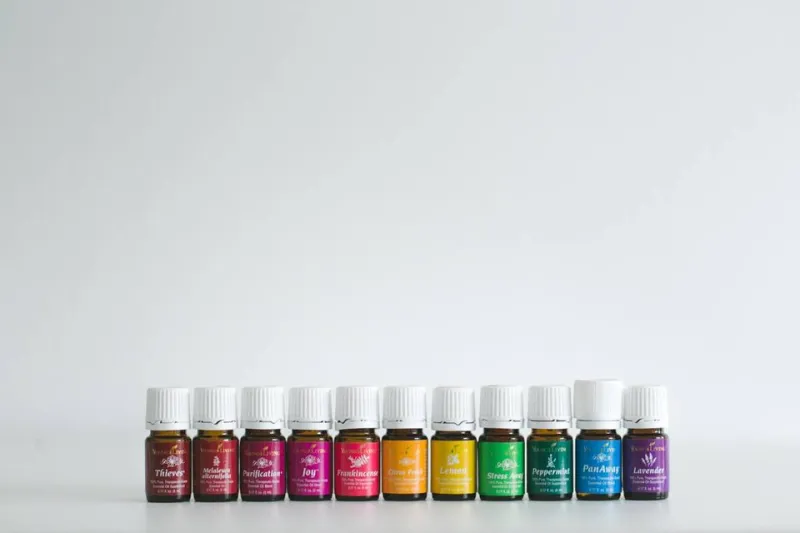
Photo: Vanilla and lace, CC BY 2.0, via Wikimedia Commons
Pick up almost any essential oil at a natural grocery store or scroll through a wellness brand's website and you'll run into some version of the same cluster of words: organic, wild-harvested, pure, natural, sustainably sourced. They're deployed with the confidence of hard facts, but most of them are marketing language first and verifiable claims second.
This isn't just a labeling quirk. It affects what you buy, what you pay, and whether the product you're bringing into your home is actually what it claims to be. Let's work through what's real, what's exaggerated, and what you should actually be looking at.
What 'Organic' Does and Doesn't Guarantee
In the US, USDA organic certification for essential oils is real and regulated. If a label carries the official USDA organic seal, the plant material was grown without synthetic pesticides or fertilizers, and the certification process involved third-party verification. That's meaningful.
But here's where it gets complicated.
First, many small, genuinely clean farms — particularly international suppliers in regions where USDA certification infrastructure isn't accessible or affordable — grow their plants without any synthetic inputs but simply can't obtain or afford the certification. Their oil may be as clean or cleaner than a certified product, but they can't put the seal on the label. Conversely, a brand can use the word "organic" in its marketing copy, product descriptions, or brand name without holding any certification at all, as long as it's not applying the USDA seal itself. The word alone isn't protected the way the seal is.
Second, organic certification addresses how the plant was grown. It says nothing about how the oil was extracted, stored, transported, or tested for purity after the fact. An oil can be certified organic at the farm level and still be adulterated, mislabeled, or degraded by the time it reaches your diffuser.
The Wild-Harvested Myth
"Wild-harvested" sounds like the purest possible origin story — plants growing freely in their natural habitat, untouched by industrial agriculture. And in some cases, that image is accurate. Certain plants do produce higher-quality oil when grown in their native environment under natural conditions.
But wild-harvesting has a sustainability problem that often goes unmentioned on product pages. When a plant is in high demand and grows wild, unmanaged harvesting can deplete wild populations faster than they can regenerate. Rosewood (Aniba rosaeodora) is the cautionary example most aromatherapy educators cite — demand for its oil contributed to significant deforestation in the Amazon before conservation efforts stepped in. Sandalwood, frankincense, and several varieties of palo santo face similar pressures.
A wild-harvested label tells you something about origin. It tells you almost nothing about whether that harvesting was done responsibly, at sustainable quantities, or in a way that supports the long-term health of the ecosystem it came from. Without traceability information and supplier transparency, "wild-harvested" can be a selling point that actually signals a problem.
Greenwashing in Practice
Greenwashing in the essential oil industry tends to operate on a spectrum. At the mild end, you have brands that use natural-adjacent imagery and language — amber bottles, botanical illustrations, words like pure and clean — without any substantive claims behind them. It's aesthetic greenwashing, and it's everywhere.
At the more serious end, you have outright false or misleading claims: "100% pure" oils that testing has shown to be diluted or adulterated, "therapeutic grade" designations that sound official but are entirely self-assigned (there is no regulatory body that issues therapeutic grade certification in the US), and sustainability claims that have no supply chain documentation to back them up.
The challenge for consumers is that the essential oil market in the US is not tightly regulated at the federal level. The FDA has jurisdiction when medical claims are made, but the broader landscape of quality, purity, and sourcing language operates largely on the honor system. Which is why the burden of evaluation falls more heavily on you than it should.
What Actually Matters When You're Evaluating an Oil
Instead of scanning labels for feel-good keywords, here are the things worth actually checking:
Third-party testing. Reputable brands commission independent testing — typically gas chromatography/mass spectrometry (GC/MS) analysis — and make those results available to customers. This kind of testing reveals the actual chemical composition of the oil, flags adulteration, and verifies that the oil is what the label says it is. If a brand doesn't publish or provide test results, that's a meaningful gap.
Botanical name and origin. The common name for a plant doesn't tell you enough. "Lavender" can refer to Lavandula angustifolia, Lavandula latifolia, or Lavandula x intermedia (lavandin), which have different chemical profiles and different therapeutic properties. A brand that lists the full Latin botanical name and the country of origin is giving you real information. One that just says "lavender" is giving you a starting point at best.
Supplier transparency. Does the brand tell you where their plants come from and how they work with growers? Some of the most trustworthy companies in this space have direct relationships with farmers, conduct regular farm visits, and can speak specifically to their sourcing practices. That level of transparency doesn't happen by accident.
Realistic pricing. Genuine quality essential oils cost real money to produce. If a brand is selling a 15ml bottle of rose absolute or melissa for $12, something is wrong. Either the oil is adulterated, the quantity is misrepresented, or the sourcing story doesn't hold up. Learning the general price ranges for legitimate oils in the market helps you spot when something is too good to be true.
A More Useful Framework
Rather than asking "is this organic?" as your primary filter, try asking: Can this brand tell me exactly where this plant came from, how it was grown, how the oil was extracted, and what testing confirms it's what they say it is?
That's a higher bar than a certification label. But it's the bar that actually corresponds to quality, safety, and sustainability. Some certified organic brands clear it easily. Some don't. And some brands without a single certification on their label clear it with room to spare.
The wellness space you bring into your home — whether that's a diffuser blend, a massage oil, or a bath ritual — deserves that level of scrutiny. Not because aromatherapy is dangerous when done thoughtfully, but because you're investing in your health, and that investment should go to products that are genuinely what they claim to be.
The good news is that transparency is increasingly a competitive advantage in this industry. Brands that do the work tend to want you to know about it. If a company makes it hard to find out where their oil actually comes from, that tells you something too.