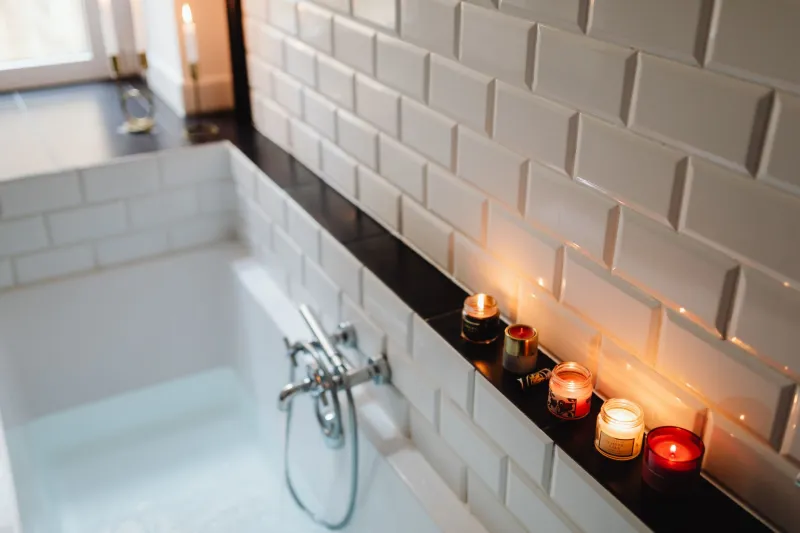
You Walked Away From Your Oils — Here's How to Find Your Way Back Without the Guilt
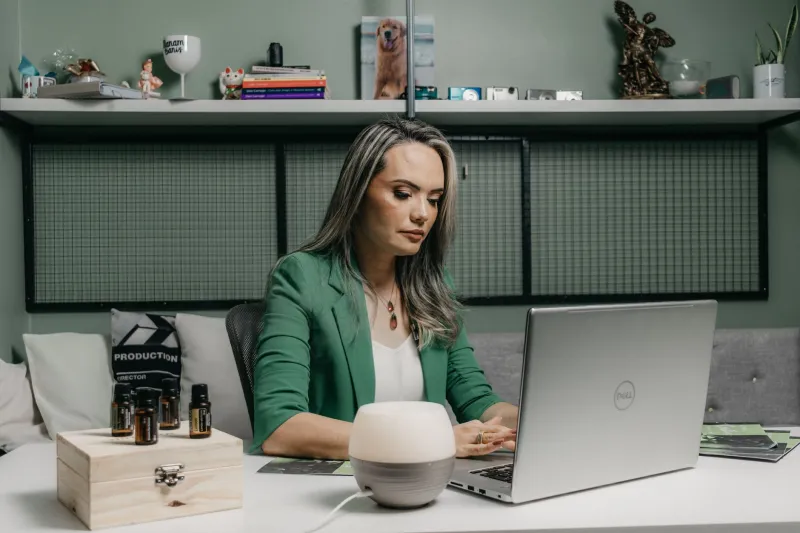
Maybe it was a move. A new job, a breakup, a baby, a season of life that demanded everything you had. Or maybe nothing dramatic happened at all—you just gradually stopped, the way people gradually stop a lot of things that were good for them. One skipped day became a week, became a month, became oh wow, has it really been almost a year?
Now those essential oils are sitting in a drawer or on a shelf, and every time you walk past them, there's this low-level flicker of something between guilt and overwhelm. You want to get back to it. You're just not sure how, or where, or whether the whole thing even still makes sense for your life.
Here's the thing: that hesitation is completely normal. And it doesn't mean aromatherapy isn't for you. It means you're human, and humans abandon good habits all the time, and the way back is almost never through the door you originally came in.
First, Let's Talk About Scent Guilt
Scent guilt is real, even if nobody has named it that before. It's the particular discomfort of looking at a wellness practice you once cared about and feeling like you failed it—or like it failed you, and you're not sure which.
For a lot of people, the guilt isn't just about the break itself. It's about the money spent on oils that went unused. The diffuser that's dusty. The aspirational version of yourself who was going to have a whole ritual every morning and somehow never quite materialized.
Before you restart anything, it helps to release that story. Your oils didn't expire because you didn't use them perfectly. (Well, some of them might have actually expired—we'll get to that—but the point stands.) You weren't failing a practice. You were living a life. Those are different things.
Check What You've Actually Got
Before you do anything else, take stock. Pull everything out, smell each bottle, and be honest about what's still good.
Most essential oils have a shelf life of one to three years, with some—like citrus oils—degrading faster and others like sandalwood and vetiver lasting significantly longer. Oxidized oils don't just smell off; they can also be more likely to cause skin sensitivity. If something smells noticeably different from how you remember it, or has a sharp, almost rancid quality, it's time to let it go.
This is actually a useful exercise beyond just quality control. Going through what you have with fresh eyes—and a nose that's had a break—often resurfaces genuine responses. You might discover that an oil you bought because you thought you were supposed to like it still doesn't do anything for you. Or you might find one you'd forgotten about that immediately feels right in a way it didn't before.
That instinctive, uncomplicated response? Follow it. That's your entry point.
Your Nose Has Changed — That's a Feature, Not a Bug
One of the unexpected gifts of stepping away from a scent practice is that your olfactory sensitivity resets. Smell is a sense that adapts quickly to constant input—which is why people who diffuse the same oil every day eventually stop noticing it. After a break of several months, that adaptation fades.
Coming back with a recalibrated nose means you'll likely experience your oils more vividly than you did before. Scents that had become background noise will have texture and depth again. This is a genuinely good reason to return slowly rather than immediately launching back into a full routine—you want to give yourself time to actually experience each oil rather than rushing to rebuild the habit infrastructure.
Spend a week just smelling things. No diffusing, no protocols, no blending. Uncap a bottle, inhale, and notice what happens in your body. That's it. That's the whole practice for now.
Why Your Old Routine Probably Shouldn't Be Your New Routine
There's a temptation when restarting any wellness habit to try to recreate exactly what you had before. The same diffuser, the same morning blend, the same sequence of steps. It feels familiar, and familiar feels safe.
But if that routine was easy to abandon once, it's probably easy to abandon again—because it wasn't quite right to begin with. Something didn't fit, even if you can't pinpoint what.
This is your chance to build something different. Start with one oil and one moment in your day. Not a whole protocol. Not a morning ritual and an evening ritual and a weekly bath blend. One oil. One moment. Maybe it's a drop of peppermint on your wrists before you sit down to work. Maybe it's lavender on your pillow on nights when you remember. That's enough.
Sustainable aromatherapy practices aren't built on discipline. They're built on genuine sensory pleasure—on actually wanting to reach for the bottle because it does something for you. If you're forcing yourself into a routine that feels like a chore, you'll abandon it again. Start so small that it doesn't feel like a commitment at all.
When Skepticism Has Crept In
Sometimes people step away from aromatherapy not because life got busy, but because doubt set in. You read something that made you question whether any of it actually works. You had a stretch where nothing seemed to help. You started to wonder if you'd been buying into something that didn't hold up.
That skepticism deserves respect, not dismissal. Aromatherapy isn't magic, and not every claim made about essential oils is backed by solid evidence. Being a thoughtful consumer of wellness means holding space for both genuine benefit and appropriate skepticism.
What the research does support is that scent has real, measurable effects on the nervous system through the olfactory-limbic pathway. Lavender's effect on anxiety, peppermint's effect on alertness, eucalyptus's effect on respiratory function—these aren't placebo-only outcomes. They're documented. The mechanism is real, even when the marketing around it isn't.
If you're coming back as a skeptic, that's actually a healthy starting point. Let your own experience be the evidence. Try one thing for two weeks and pay attention. You don't have to believe in aromatherapy to benefit from it—you just have to be curious enough to notice what happens.
A Gentle Re-Entry Plan
Week one: smell things, nothing more. Reconnect with what you have.
Week two: choose one oil that genuinely appeals to you and use it once a day in the simplest possible way.
Week three: if it's working, add one more touchpoint. If it's not, try a different oil.
Don't schedule a full routine until you've had at least a month of small, consistent wins. Let the habit earn its place in your day before you give it a permanent slot.
That's it. No grand comeback. No making up for lost time. Just a quiet, honest return to something that can actually support you—when you let it be simple enough to stick.