Off the Clock and Scent-Free: The Secret Lives of Aromatherapy Professionals
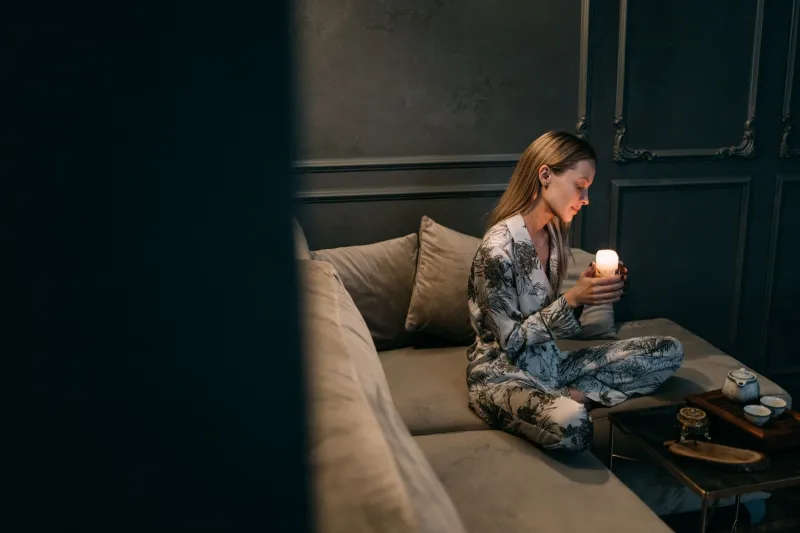
There's a particular kind of irony that follows aromatherapy professionals home every evening. The same hands that blend custom oils for stressed-out clients, the same voices that explain the calming properties of lavender and the grounding effect of cedarwood — those same people often walk into their own apartments, kick off their shoes, and breathe in absolutely nothing. No diffuser running. No candles burning. No essential oil roller on the nightstand.
It sounds like a contradiction. It is, kind of. But once you understand why it happens, it reframes everything you thought you knew about scent, wellness, and the limits of even the most beneficial therapies.
The Nose Has a Breaking Point
Your olfactory system is extraordinary. It can detect thousands of distinct compounds, trigger vivid emotional memories, and respond to therapeutic stimuli in ways that measurably shift your nervous system. But it is not a machine. Like any sensory system, it fatigues.
The clinical term is olfactory adaptation — the process by which your nose essentially tunes out a smell after prolonged exposure. Most people have experienced a version of this: you light a candle, notice it for ten minutes, then forget it's even there. For spa professionals who work eight-hour shifts in scent-saturated environments, this adaptation isn't a minor inconvenience. It's an occupational reality that shapes how they live outside of work.
"By the end of a full day of treatments, my nose is done," says one licensed massage therapist and aromatherapy practitioner based in Portland, Oregon. "I'm not smelling anything subtly anymore. Everything either registers as overwhelming or doesn't register at all. The last thing I want to do is add more."
This isn't weakness or burnout in the emotional sense — it's basic physiology. And it has real implications for how professionals protect their most important professional tool.
Protecting the Instrument
Musicians protect their hearing. Athletes protect their joints. Aromatherapy professionals, perhaps less obviously, protect their noses.
The olfactory nerve — the pathway that carries scent information from your nasal cavity directly to your brain — is one of the few parts of the nervous system capable of regenerating. But that doesn't mean it's indestructible. Chronic overexposure to high concentrations of aromatic compounds can dull sensitivity over time, making it harder to detect the nuanced differences between oils that are essential to doing the job well.
For this reason, many experienced practitioners develop strict personal protocols that would seem almost ascetic to the average wellness enthusiast. Unscented laundry detergent. Fragrance-free personal care products. Homes that smell, as one spa owner in Austin, Texas described it, "like clean air and nothing else."
Some go further. Several practitioners interviewed for this piece mentioned avoiding scented restaurants, strongly perfumed social settings, and even certain grocery store aisles — not out of sensitivity or allergy, but out of deliberate sensory conservation.
When the Therapy Becomes the Stressor
There's another layer to this that goes beyond simple olfactory fatigue. For some aromatherapy professionals, the psychological relationship with scent shifts after years in the field. What once felt restorative starts to feel like work.
This is a version of a phenomenon well-documented in other helping professions. Therapists often avoid emotionally heavy conversations in their personal time. Chefs sometimes prefer simple, unadorned food at home. The tool of the trade, used all day in service of others, needs to be set down.
"Lavender used to be my personal go-to," one spa director shared. "After years of using it in treatments, it stopped feeling relaxing and started feeling like a cue to be professional and present for someone else. It became a work smell."
This psychological conditioning — where therapeutic scents become associated with labor rather than leisure — is more common among veteran practitioners than wellness marketing would ever suggest. It's also a useful reminder that no single remedy works the same way forever, and context matters enormously in how we experience anything, including aroma.
What They Actually Do Instead
So if aromatherapy professionals aren't diffusing eucalyptus and clary sage at home, what do they do to decompress?
The answers are refreshingly ordinary. Walks outside. Cooking simple food. Silence. Several mentioned that fresh outdoor air — the kind that doesn't smell like anything in particular — felt genuinely restorative in a way no single oil could replicate after a long shift.
Others described using scent very selectively, reserving it for specific rituals rather than maintaining a constant aromatic backdrop. A single drop of something personal and unrelated to their treatment menu, used once in a while, in a quiet moment. The intentionality, they said, is what makes it meaningful.
This points to something the wellness industry doesn't always emphasize: aromatherapy is most effective when it's deliberate and occasional, not ambient and constant. The professionals who work with scent every day have learned this through experience in a way most clients never will.
What This Means for Your Own Practice
You don't have to be a spa professional to take something useful from all of this. The principles that protect an aromatherapist's olfactory sensitivity apply to anyone who wants to get the most out of their home practice.
Running a diffuser all day, every day, doesn't amplify the benefits — it diminishes them. Your nose adapts, the therapeutic signal gets lost in the background noise, and you end up using more product for less effect. Giving your senses a genuine break between sessions allows you to re-engage with scent more fully when you do use it.
It also means that the oils you associate with stress or obligation — maybe the peppermint you always reach for before a difficult meeting, or the bergamot you diffuse when you're anxious — can start to carry that emotional weight rather than counteract it. Rotating your oils and being thoughtful about context isn't just good practice. It's how you keep aromatherapy actually working.
The Paradox Points to Something Real
The fact that aromatherapy professionals often choose to live scent-free isn't a sign that they've lost faith in what they do. If anything, it suggests the opposite. They understand the power of these tools well enough to respect their limits — and their own.
That's a kind of wisdom worth borrowing. The most effective wellness practices aren't the ones you do constantly. They're the ones you do thoughtfully, with enough space between sessions to let them mean something.
Breathe deep. Then let yourself breathe plain air for a while. Your nose — and your nervous system — will thank you.