What You're Actually Paying For When You Book a High-End Aromatherapy Treatment

Photo: luxury spa aromatherapy treatment room essential oils massage, via www.viajali.com.br
There's a moment in every great spa treatment when your brain just... stops arguing with you. The warm table, the low lighting, the faint drift of eucalyptus or ylang-ylang in the air — something shifts. You feel genuinely better. But here's the question nobody at the front desk is going to ask you: is what you're feeling actually therapeutic, or is it just really, really pleasant?
That distinction matters more than it might seem — especially if you're spending $150 to $300 per session hoping to see real health results at home.
The Sensory Experience Is Real. The Outcomes Are Complicated.
Let's be honest about what high-end aromatherapy spas are genuinely good at: creating an environment your nervous system interprets as safe. The moment you walk through the door of a well-designed wellness space, your body starts downregulating stress hormones before a single drop of essential oil touches your skin. Soft music, muted lighting, a temperature-controlled room, someone whose entire job is to make you comfortable — these aren't trivial details. They're doing real physiological work.
The problem is that most of us walk away crediting the oils.
Researchers who study complementary therapies have been wrestling with this for years. When you strip away the ritual — the touch, the environment, the dedicated hour of stillness — and test essential oils in clinical settings, the results get a lot murkier. Some compounds, like linalool in lavender, do show measurable effects on anxiety markers in controlled studies. But isolating why a spa treatment made you feel better is genuinely difficult, because everything is working together at once.
The Ritual Might Be the Medicine
Here's something the wellness industry doesn't love to advertise: the structured ritual of a spa visit may be doing more therapeutic heavy lifting than the specific oils being used.
Think about what a 90-minute aromatherapy massage actually involves. You've carved out time. You've traveled somewhere specifically for your own care. You've handed off your phone. You've given yourself permission — maybe for the first time all week — to do absolutely nothing productive. For a lot of Americans running on fumes between work deadlines, family obligations, and a 24/7 news cycle, that permission alone is genuinely medicinal.
This isn't a knock on aromatherapy. It's actually a more expansive way of understanding it. The scent is one layer of a multi-sensory therapeutic event. Removing any single layer — the touch, the environment, the intentional time — and expecting the same result is a little like expecting a symphony to sound the same with half the instruments missing.
Why Home Routines Feel Like a Consolation Prize
This is where a lot of people get frustrated. They leave a spa feeling transformed, buy the same diffuser oil the receptionist recommended, and spend two weeks wondering why their living room smells nice but doesn't feel anything like the treatment room.
The gap isn't imaginary, and it isn't a failure on your part. Spa environments are professionally engineered for a specific neurological response. The oils are one component of that system — not the whole system.
That said, dismissing home aromatherapy as useless would be equally wrong. The key is recalibrating your expectations and your setup. A diffuser running in a cluttered room while you're answering emails is not the same intervention as an intentional 20-minute wind-down ritual with dim lighting, a few drops of oil, and your phone in another room. The scent hasn't changed. The context has — and context is doing enormous work here.
So What Are You Actually Getting at a Luxury Spa?
A few things, honestly, and most of them are worth the investment if you understand what they are:
Expert application. A trained aromatherapist isn't just picking oils at random. They're considering your current state, your health history, and what your body seems to need. That customization is genuinely harder to replicate at home without some education.
Transdermal delivery at scale. Massage with essential oil blends allows compounds to absorb through the skin in ways that diffusion alone doesn't achieve. The therapeutic mechanism is different, not just the ambiance.
Forced stillness. You cannot multitask during a professional treatment. That enforced rest has measurable effects on cortisol levels that most of us simply don't give ourselves at home.
A nervous system reset. Even if every single benefit you feel could be attributed to the placebo effect (which the research does not fully support, but stay with the hypothetical), a genuine shift in your stress physiology happened. Your body doesn't know the difference between "real" and "placebo" relaxation — it just knows it relaxed.
Building Something That Actually Carries Over
If you want your home aromatherapy practice to deliver more than just a nice smell, the move is to borrow the architecture of a spa experience — not just the products.
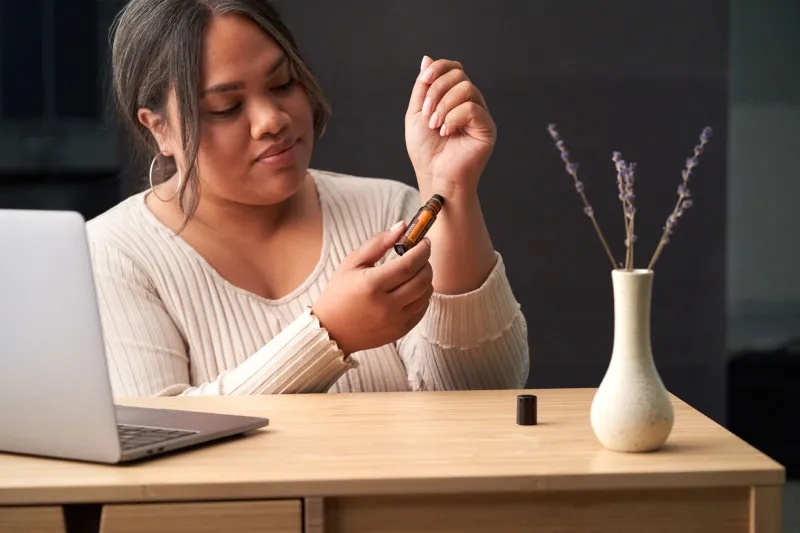
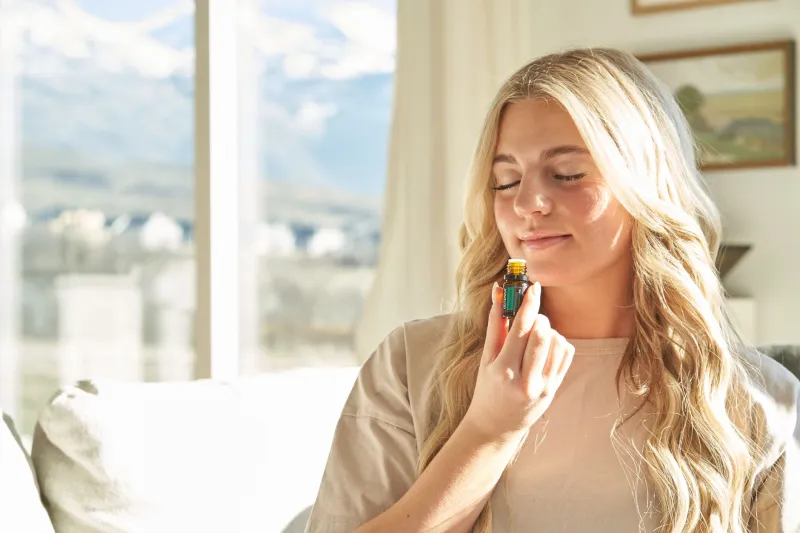
That means picking a consistent time and treating it as non-negotiable. It means reducing sensory noise in the space before you start. It means slowing down the application — whether that's a self-massage, a warm bath with a few drops of oil, or simply sitting quietly with a personal inhaler for five minutes before bed.
The oils still matter. Quality matters. Matching the right compounds to your actual needs matters. But they work best when they're part of a deliberate practice rather than a background detail in an otherwise chaotic environment.
Luxury spa treatments are worth experiencing — not because they're magic, but because they model what intentional wellness actually looks like. The real takeaway isn't the oil blend on the service menu. It's the reminder that your nervous system responds to care. Give it that care consistently, and the setting matters a lot less than you think.