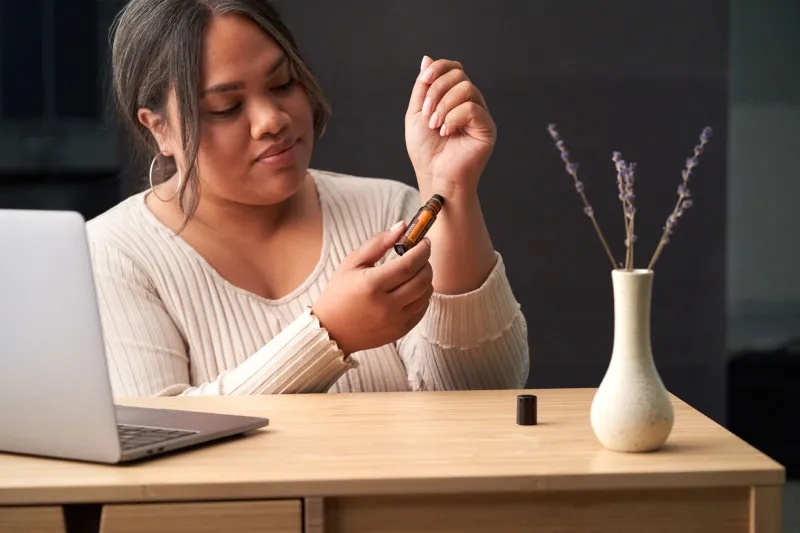
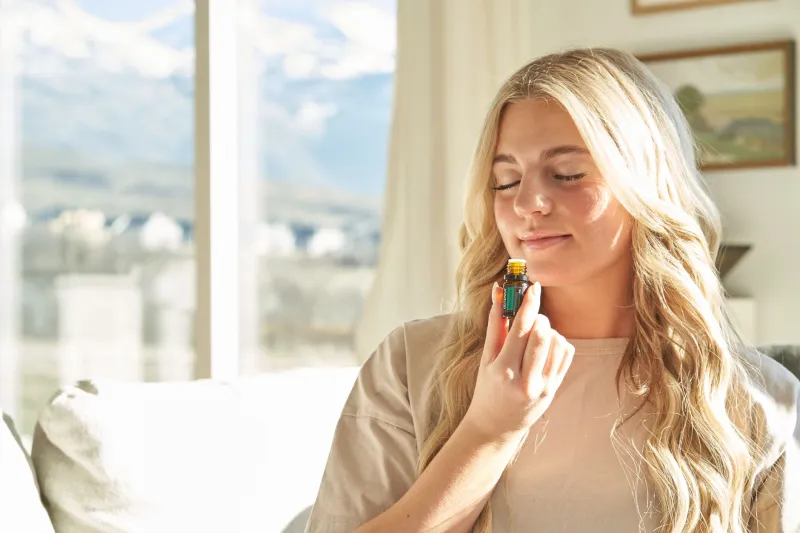
Going Nose-Blind on Purpose: The Rise of Scent-Free Living and What It Means for Your Wellbeing
Somewhere between the candle aisle at Target and a third coworker wearing heavy cologne before 9 a.m., something in the American wellness conversation quietly shifted. People who once spent weekends hunting for the perfect diffuser blend started doing something unexpected: they stopped using scent altogether. On purpose.
Welcome to the fragrance-free movement — a growing corner of the wellness world that sits in fascinating tension with everything aromatherapy stands for, and one that's worth taking seriously rather than dismissing.
Who's Actually Going Scent-Free?
The people opting out of fragrance aren't a monolith. They range from individuals with diagnosed Multiple Chemical Sensitivity (MCS) — a real and often debilitating condition — to burned-out professionals who've simply decided their sensory environment needs a hard reset.
In the US, the fragrance-free conversation has gained real traction over the past few years, partly driven by growing awareness of what's actually in synthetic fragrances. The FDA doesn't require cosmetic companies to disclose individual fragrance ingredients under the umbrella term "fragrance" on a label, which means that single word can represent dozens of undisclosed compounds. For people with autoimmune conditions, migraines, or heightened chemical sensitivity, this isn't a minor inconvenience — it's a daily health management challenge.
But beyond the medical cases, there's a broader cohort of people going scent-light or scent-free for reasons that are more psychological than physiological. They're overwhelmed. They're overstimulated. And eliminating olfactory input turns out to be one way to turn the volume down.
The Overstimulation Problem Nobody's Talking About
American life in 2024 is loud in every sense. Notifications, obligations, ambient noise, visual clutter — and layered on top of all of it, an enormous amount of intentional scent. Candles, plug-in air fresheners, scented cleaning products, personal care items, laundry detergents, and the diffusers that well-meaning wellness enthusiasts run 24 hours a day.
Your olfactory system is the only sensory pathway with a direct line to the limbic system — the part of your brain that processes emotion and memory. That's what makes aromatherapy so powerful. But it also means that unrelenting scent exposure isn't neutral. Your brain is processing every one of those olfactory inputs, and for some nervous systems, that adds up to a significant cognitive and emotional load.
When people report feeling calmer, sleeping better, or experiencing fewer headaches after going fragrance-free, they're not imagining it. They may simply be removing a source of low-grade sensory stress they didn't realize they were carrying.
The Difference Between Sensory Rest and Sensory Deprivation
Here's where it gets nuanced: choosing to take a break from fragrance is not the same as claiming that scent is harmful or that aromatherapy doesn't work. Those are very different positions, and conflating them leads to some unhelpful all-or-nothing thinking.
Sensory rest is a legitimate wellness concept. Just as your eyes benefit from screen-free time and your ears benefit from silence, your olfactory system can benefit from periods of low-stimulus exposure — especially if it's been chronically overwhelmed. Aromatherapy practitioners actually understand this well. Olfactory fatigue (the phenomenon where your nose stops registering a scent after prolonged exposure) is a known issue that affects both clients and professionals.
The goal of intentional scent-free periods isn't to become permanently fragrance-averse. It's to restore sensitivity, reduce cognitive load, and come back to intentional scent use — including aromatherapy — with a more responsive nervous system.
How to Know If You Actually Need a Scent Break
Not everyone does. But a few patterns suggest your relationship with fragrance might benefit from some recalibration:
Your diffuser runs constantly. If scent has become background noise in your home rather than an intentional wellness tool, it's probably not doing much anymore — and it may be contributing to olfactory fatigue.
You're reaching for stronger and stronger products. Needing more scent to get the same effect is a sign your system has adapted and desensitized.
You get headaches in scented spaces. This can indicate sensitivity that's worth paying attention to, not pushing through.
You feel vaguely better in unscented environments. Trust that data point. Your body is telling you something.
You've been under sustained stress. High-stress states can amplify sensory sensitivity. What felt pleasant when you were rested may feel overwhelming when you're depleted.
Going Fragrance-Free Without Throwing Out Your Oils
A scent sabbatical doesn't have to be permanent, and it doesn't require a dramatic overhaul of your entire wellness routine. Start with one room — ideally your bedroom — and see how your sleep quality changes over a week or two. Swap synthetic fragrances in cleaning products for unscented versions. Give your skin a break from heavily fragranced lotions.
During this period, notice what shifts. Do you feel calmer? More alert? Less headachy? That information is genuinely useful for understanding how your nervous system responds to olfactory input.
When you come back to aromatherapy after a reset period, you'll likely find the experience more vivid and more effective. The oils haven't changed. Your sensitivity to them has been restored.
The Bigger Picture
The fragrance-free movement and the aromatherapy world aren't actually at odds — they're both responding to the same underlying problem: most Americans are not intentional about their sensory environments. They're either drowning in synthetic scent they never consciously chose, or reflexively reaching for wellness products without thinking about timing, dose, or context.
Intentional scent use — including intentional scent absence — is the common thread. Whether that means a carefully chosen essential oil ritual before bed or a fragrance-free month to let your system breathe, the key word is intentional. Your nose is one of the most direct pathways to your nervous system. It deserves more thoughtfulness than most of us give it.