Not All Diffusers Are Equal: How to Pick the One That Actually Does Something
Walk into any TJ Maxx, Target, or boutique wellness shop in America right now and you'll find diffusers in every shape, size, and price point imaginable. Some look like tiny sculptures. Some glow in seven colors. Some cost $12 and some cost $200. But here's the question nobody on the packaging bothers to answer: which ones actually work?
Because there's a real difference between a diffuser that fills your living room with therapeutic-grade essential oil molecules and one that just makes your house smell nice for about 20 minutes. If you're investing in aromatherapy for genuine wellness benefits — better sleep, stress relief, respiratory support — the technology behind your diffuser matters a lot more than how it looks on your shelf.
Let's break it all down.
The Four Main Types (And What's Really Happening Inside Each One)
Ultrasonic Diffusers
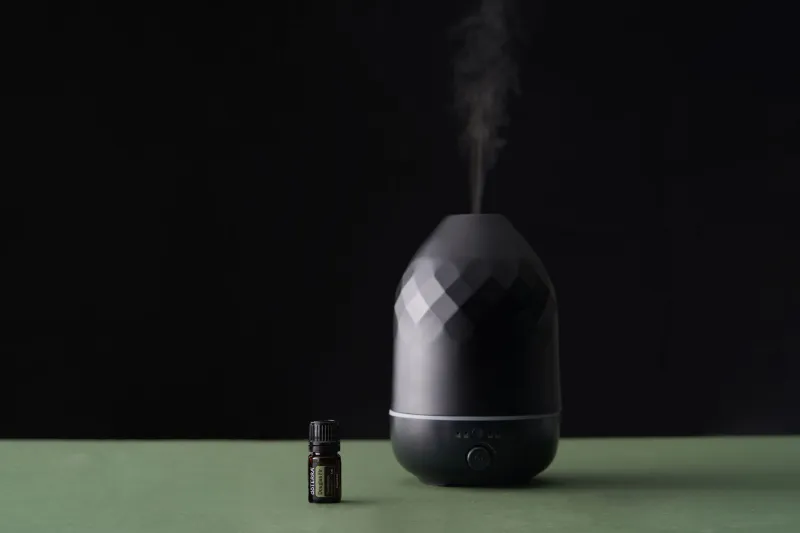
These are probably what comes to mind when you picture a diffuser — the ones that emit that soft, misty plume and often double as a nightlight. Ultrasonic diffusers use high-frequency vibrations to break water and essential oils into a fine mist that disperses into the air.
The good news: They're affordable (usually $20–$60), widely available, and double as a humidifier, which is genuinely helpful in dry climates or during winter months when your indoor air turns into a desert. They're also quiet, which makes them great for bedrooms.
The catch: Because the oil is diluted in water, the concentration of aromatic compounds you're actually inhaling is relatively low. For purely atmospheric scenting — relaxation vibes, mood setting, making your home smell like a spa — they do the job beautifully. But if you're looking for more targeted therapeutic effects, like using eucalyptus to support sinus health or lavender to genuinely shift your nervous system, you may find ultrasonic diffusers a little underwhelming.
Best for: Bedrooms, small to medium living spaces, ambient relaxation, anyone new to aromatherapy.
Nebulizing Diffusers
This is where things get serious. Nebulizing diffusers don't use water at all. Instead, they use pressurized air to atomize pure essential oil directly into the air as a micro-fine mist of undiluted molecules. No heat, no water — just straight oil, broken down into particles small enough to be absorbed through the respiratory system efficiently.
Aromatherapy practitioners and holistic health professionals often consider nebulizing diffusers the gold standard for therapeutic use. The concentration of active compounds in the air is significantly higher, which means your body is actually receiving a meaningful dose of whatever oil you're using.
The trade-offs are real though. Nebulizers are louder (that pressurized air mechanism hums), they use oil faster (sometimes dramatically so), and quality units typically run $80–$200+. They also require more frequent cleaning because undiluted oil can leave residue. And if you're sensitive to strong scents, a nebulizer in a small room can quickly become overwhelming.
Best for: Dedicated wellness sessions, larger rooms, users targeting specific health goals, and anyone who's already comfortable with essential oils and wants to level up.
Heat-Based Diffusers
This category covers everything from plug-in warmers and electric wax melters adapted for oils, to simple candle-heated ceramic dishes. The concept is straightforward: heat the oil, the scent evaporates, the room smells nice.
Here's the hard truth, though. Heat changes the chemical composition of essential oils. Many of the therapeutic compounds that make lavender calming or peppermint invigorating are volatile — they degrade when exposed to high temperatures. What you're left with is essentially just the fragrance, not the full spectrum of beneficial plant compounds.
For pure scent enjoyment? Fine. For genuine aromatherapy benefits? Heat-based diffusers are one of the weakest options available.
Best for: Casual scenting only. Not recommended if you're after health-focused results.
Passive Diffusers (Reeds, Jewelry, Inhalers, Sachets)
Passive diffusion means no electricity, no water, no mechanism — just evaporation happening on its own. Reed diffusers sit in a bottle of diluted oil and slowly release scent into the air. Aromatherapy inhalers are small tubes you hold under your nose. Diffuser jewelry like lava bead bracelets hold a drop of oil close to your skin.
The range of effectiveness here is enormous. A personal inhaler — where you're drawing concentrated oil vapor directly through your nostrils — can actually be quite effective for targeted benefits like headache relief or focus. Reed diffusers and sachets, on the other hand, offer very low-level background scenting that's more about ambiance than therapy.
Best for: On-the-go use (inhalers are fantastic for travel or desk use), subtle background scenting in small spaces, or as a complement to other methods.
Matching the Right Diffuser to Your Situation
The "best" diffuser genuinely depends on what you're trying to accomplish. Here's a quick cheat sheet:
- You want better sleep and just need something calming at night → Ultrasonic diffuser on a timer, lavender or cedarwood, placed 3–4 feet from your bed.
- You're doing a focused wellness session — meditation, breathwork, or managing anxiety → Nebulizing diffuser for 15–20 minutes before or during.
- You want your whole house to smell like a spa without thinking about it → Reed diffusers in bathrooms and hallways, ultrasonic in main living areas.
- You need something portable for work or travel → Personal aromatherapy inhaler, hands down.
- You have a large open-concept space → Nebulizer or a high-output ultrasonic unit rated for 500+ square feet.
A Word on Maintenance (Because Most People Skip This)
No matter which type you choose, a neglected diffuser is a compromised diffuser. Ultrasonic units need their water reservoirs wiped clean weekly to prevent mold and oil buildup. Nebulizers should be flushed with high-proof alcohol periodically to clear residue. Even reed diffusers benefit from occasional flipping and bottle replacement every few months.
A diffuser running with stale oil residue or mineral deposits isn't just less effective — in some cases it can actually release compounds you don't want in your air. Keep it clean, and it'll keep working.
The Bottom Line
That pretty terra cotta diffuser with the boho cutouts? It might look amazing on your bookshelf. But if you bought it hoping it would help with your tension headaches or Sunday night anxiety, it's probably not pulling its weight.
Investing a little time in understanding diffuser technology means you'll spend less money replacing things that don't work and more time actually experiencing the benefits aromatherapy can genuinely offer. Start with an ultrasonic if you're new to this world. Upgrade to a nebulizer when you're ready to get serious. And never underestimate a good personal inhaler for everyday use.
Your wellness routine deserves tools that actually work — not just ones that look good doing nothing.