Not All Scents Are Created Equal: The Real Science Behind Which Aromatherapy Actually Works
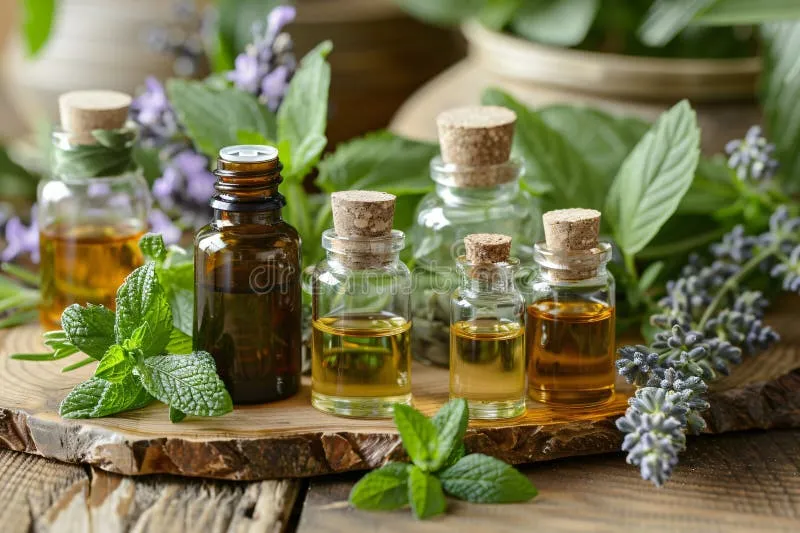
Photo: essential oils amber bottles lavender peppermint science lab wellness, via thumbs.dreamstime.com
The Smell of Wellness — Or Is It?
Walk into any Target or Whole Foods these days and you'll find an entire aisle dedicated to essential oils. The promises on those little amber bottles are bold: better sleep, less anxiety, sharper focus, elevated mood. And Americans are buying in — the essential oil market in the US topped $4 billion in recent years and keeps climbing.
But here's the question nobody in that aisle is really asking: how much of this is real?
The honest answer is more nuanced than either die-hard aromatherapy fans or skeptical scientists would like to admit. Some of it is genuinely therapeutic. Some of it is sophisticated marketing wrapped in a pretty scent. And knowing the difference can save you money, frustration, and the weird experience of inhaling something aggressively for three weeks waiting for results that were never coming.
Your Brain on Fragrance: The Actual Mechanism
Here's where things get legitimately fascinating. When you inhale an aromatic compound, the odor molecules travel up through your nasal passage and make contact with olfactory receptor neurons — specialized cells that send signals almost directly to the limbic system. That's the part of your brain that processes emotion, memory, and certain aspects of behavior.
Notice the word almost. Unlike every other sense — sight, touch, taste, hearing — smell has a remarkably short pathway to the emotional brain. There's no long relay through the thalamus. You breathe in, and within milliseconds, you're triggering areas like the amygdala and hippocampus. This is why a whiff of sunscreen can teleport you back to a childhood beach trip, or why your grandmother's perfume can make your eyes water decades after she's gone.
This neurological shortcut is the legitimate foundation of aromatherapy. The question is: does triggering the emotional brain actually produce therapeutic outcomes? Sometimes yes. Sometimes it's more complicated.
The Oils With Real Research Behind Them
Let's start with the good news. A handful of essential oils have accumulated enough clinical research to make reasonable claims about their effects.
Lavender (Lavandula angustifolia) is the most studied aromatic compound in the wellness world, and for good reason. Multiple randomized controlled trials have found that lavender inhalation can meaningfully reduce anxiety — in pre-surgical patients, in people with generalized anxiety disorder, and in healthy adults under situational stress. Linalool, one of lavender's primary compounds, has demonstrated sedative and anxiolytic properties in animal studies. In humans, lavender aromatherapy has been shown to reduce cortisol levels and lower heart rate. This isn't placebo territory.
Peppermint has a solid evidence base for cognitive performance and alertness. Studies suggest inhaling peppermint oil can improve reaction time, memory, and sustained attention — likely through the stimulating properties of menthol on the trigeminal nerve. If you've ever popped a mint before an exam or a big meeting, you were doing a version of this instinctively.
Bergamot has emerging research supporting its role in reducing anxiety and improving mood, particularly in clinical and palliative care settings. Rosemary shows up in several studies on memory and concentration. Chamomile, like lavender, has documented calming properties.
These aren't cure-alls. But they're not nothing, either.
When It's Just Preference — And That's Okay, Too
Here's where the conversation gets honest: a significant portion of the aromatherapy experience is driven by emotional association, not pharmacological action. If you've always burned a vanilla candle during cozy Sunday mornings, vanilla will feel relaxing to you. Not because of any compound in vanilla interacting with your nervous system, but because your brain has paired that scent with a feeling of safety and comfort.
This is called odor-evoked autobiographical memory, and it's real and powerful — but it's different from evidence-based aromatherapy. It means that the "best" essential oil for you might not be the one with the most clinical studies behind it. It might just be the one that smells like your happiest memories.
This is worth understanding because it reframes how you shop. Buying a $40 bottle of some obscure resin oil because an influencer said it cures brain fog? Probably not worth it. Spending a few dollars on lavender or peppermint to support stress relief and focus? That's actually grounded in something.
The Hype That Needs Calling Out
Not every oil on the market deserves shelf space in your wellness routine. Claims that essential oils can treat infections, regulate hormones, cure autoimmune conditions, or replace medications are not supported by credible science — and in some cases, they're actively dangerous if they lead people away from necessary medical care.
Some blends are essentially just pleasant perfumes. There's nothing wrong with that — scent can be joyful and elevating on its own terms — but you're not getting a therapeutic product. You're getting a nice smell. The price tag should reflect that.
Also worth noting: how you use an oil matters enormously. Topical application without proper dilution in a carrier oil can cause skin reactions. Ingesting essential oils is generally not recommended and can be harmful. And diffusing in a poorly ventilated space for hours on end can actually trigger headaches and respiratory irritation in sensitive individuals — the opposite of what you were going for.
A Smarter Way to Approach Your Aromatherapy Practice
Think of evidence-based aromatherapy as a tool in a larger wellness toolkit — not a standalone solution, but a genuinely useful complement to other healthy habits. Use lavender to support a winding-down bedtime routine. Reach for peppermint when you need a mid-afternoon focus boost. Let bergamot take the edge off a stressful workday.
But don't expect any oil, no matter how pure or expensive, to do the heavy lifting that sleep, movement, nutrition, and human connection need to do. Aromatherapy works best when it supports a life that's already oriented toward wellness — not when it's asked to fix one that isn't.
The scent-mood connection is real. It's just not magic. And honestly, understanding the actual science makes it more interesting, not less.